

CTN masterclasses build clinical trial methodology expertise
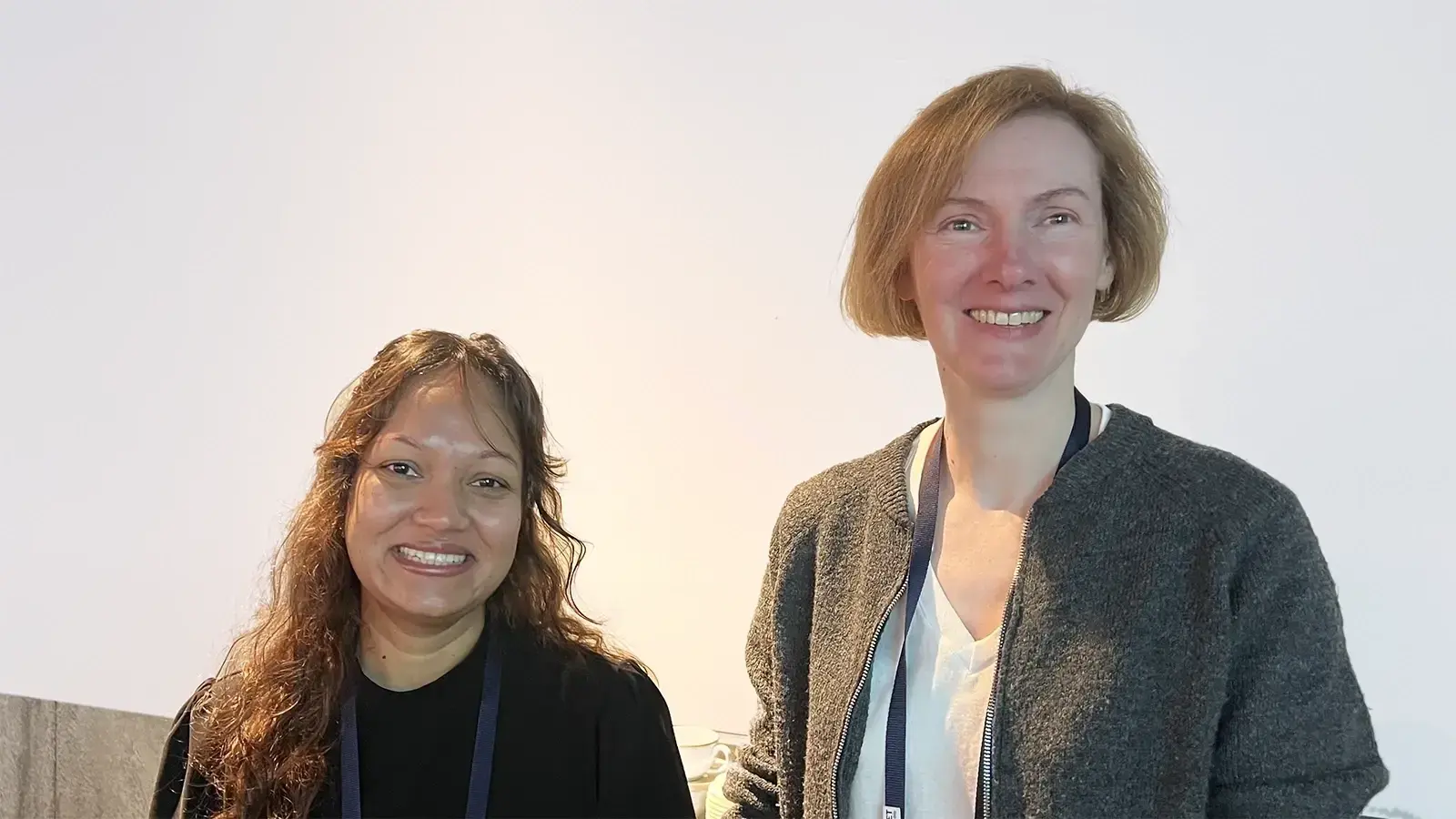
Two sell-out masterclasses ahead of the 2026 ANZCA Clinical Trials Network Strategic Research Workshop were designed to strengthen clinical trial methodology expertise across the network.
Overview
The CTN welcomed back previous workshop keynote statisticians, Associate Professor Sabine Braat and Dr Anurika De Silva, continuing an important collaboration and giving delegates further opportunities to develop their methodological skills.
Implementing the estimand framework in anaesthesia clinical trials
Associate Professor Sabine Braat led the first masterclass, introducing delegates to the estimand framework and its application in anaesthesia clinical trials.
Using the Chewy trial as an example, participants explored how post-randomisation events such as rescue medication can affect interpretation of treatment effects and how different estimand strategies can be used to address them.
A role-play between a statistician, Dr Anurika De Silva, and clinician researcher, Dr Earlene Silvapulle, showed how decisions about intercurrent events can shape the research question during protocol development. Associate Professor Braat then used the SNaPP study to demonstrate how the estimand framework can be incorporated from the beginning of a large clinical trial.
The key message was that considering estimands early helps researchers define their study objectives more clearly and ensures the statistical analysis is aligned with the intended research question. Grant bodies and journals are also increasingly looking for consideration of the estimand framework.
Getting started with effectiveness–implementation hybrid trial designs
The second masterclass, led by keynote speaker Associate Professor Ingrid Hickman and implementation scientist Dr Mark Liu, introduced delegates to effectiveness–implementation hybrid trial designs. Participants worked through determinant frameworks and implementation outcomes, considering factors such as the intervention, inner and outer settings, individuals and implementation processes.
They also explored implementation outcomes for type 1 and type 2 hybrid trials and how these approaches could be applied to their own research. The key message was that implementation should be considered during the design phase of randomised controlled trials, with established frameworks, tools and experienced teams available to support investigators.
Together, the masterclasses gave delegates practical tools to strengthen trial design, analysis and implementation.
Banner image (L–R): Dr Anurika De Silva and Associate Professor Sabine Braat, facilitators of the estimands masterclass.


Last modified: