

Propofol infusion leakages

Leakages during prolonged propofol infusions place patients at risk during total intravenous anaesthesia (TIVA)
TIVA involving propofol infusions is an increasingly popular form of general anaesthesia.
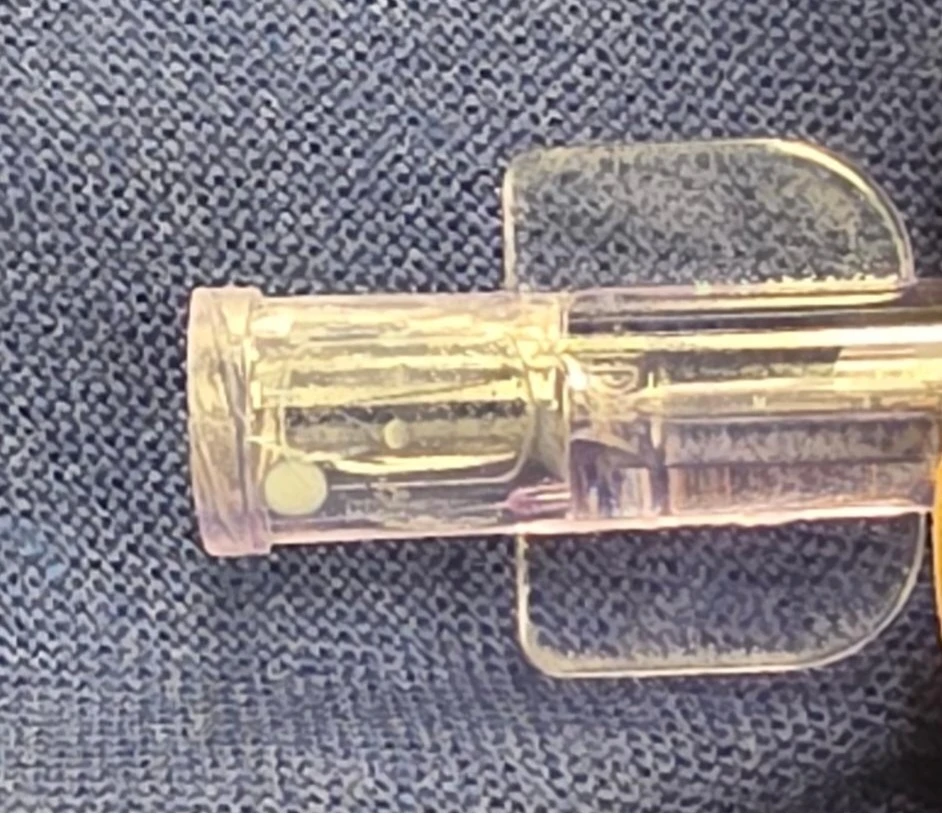
Reports continue to be received by ANZCA and the TGA about leaks from intravenous (IV) lines and/or connectors used for propofol infusions during general anaesthesia. Although some brands of connectors have been withdrawn, the leaks have been observed in a range of brands and types of IV equipment, at any time during a case, and even when "lipid-resistant" IV sets have been used. These leaks may be a result of cracking or splitting of connectors.
Leaks, disconnections/connector-loosening or extravasation may occur at the start of infusion, where higher flow rates are used, but also have occurred during prolonged propofol infusions lasting several hours. The application of heat to the IV lines, such as the use of forced air warmers, may increase the propensity for leaks.
Anaesthetists are reminded to be extra vigilant when administering propofol infusions for TIVA as leakages place patients at risk of significant complications, such as awareness under general anaesthesia.
Recommendations include:
- Ensuring TIVA lines:
- Are securely connected.
- Have an anti-reflux valve installed in other connected intravenous lines if the intravenous line is shared.
- Have an anti-siphon valve installed in the anaesthetic drug delivery line if there is a risk of siphoning.
- Ensuring TIVA infusion equipment and the patient’s venous infusion site are readily accessible so they can be inspected regularly for any leakage or extravasation throughout the duration of a case.
Please report leaks if they appear to have occurred through connector or tubing failure (e.g. cracking) to webAIRs (specifying product), and to the TGA if product failure is suspected.
PG31 Checking Anaesthesia delivery systems is currently being updated and will include reference to the above points.


Last modified: