

Overview
This page explains how to prepare for fasting before surgery in Australia and New Zealand, including when to stop eating and drinking and why pre-surgical fasting matters. It also explains special fasting requirements for children and people taking GLP-1 weight-loss medications such as Ozempic® or Wegovy® or peptides.
You must follow the rules outlined on this page – as well as any specific fasting instructions your anaesthetist or surgeon gives you – because having food and other solids in your stomach can be life-threatening under anaesthesia.
Explainer video
Watch a short, animated video about when to stop eating before your operation, how long you should fast, when you can drink water, and what to do if you take Ozempic or other GLP-1 medications or weight-loss peptides.
Key pre-surgery fasting rules at a glance
What is pre-surgery fasting?
Pre-surgery fasting means you need to stop eating and drinking for specific periods before a surgical procedure or operation involving general anaesthesia or intravenous (IV) sedation.
Why do I need to fast before surgery?
When you have general anaesthesia or intravenous (IV) sedation, your body’s natural reflexes, such as coughing, are switched off. If there is food or other solids still in your stomach, they can travel up into your throat and into your lungs while you are under anaesthesia. This can cause life-threatening breathing problems.
Eating solid food and drinking non-clear fluids too close to the time of your operation may result in your surgery being delayed.
How long before surgery do I need to stop eating and drinking?
You need to stop all solid food and non-clear fluids such as milk and most fruit juices 6 hours before any elective surgical procedure involving general anaesthesia or intravenous (IV) sedation.
In most cases, guidelines allow you to drink small amounts of clear liquids if thirsty, such as water or clear apple juice, up until the time you're taken into the operating theatre. These guidelines are often called 'Sip Til Send'. Specific patient information on Sip Til Send can be found here.
If you have diabetes, reflux, or take GLP-1 weight-loss medications or peptides, you must discuss this with your anaesthetist in advance, as the fasting rules may be slightly different for you. The rules are also different for babies, infants, and children aged 16 years and under.
What can I drink while I'm fasting?
Adults, and children who weigh over 65kg, can drink up to 200 mL (about half a cup) per hour of clear liquids if thirsty, up until the time you're called and taken into the operating theatre.
Children aged 16 years and under (weighing 65kg or less) can drink up to 3 mL/kg per hour of clear fluids if thirsty, up until the time they're called and taken into the operating theatre. If they're over 65 kg, then adult guidelines should be followed.
If you have diabetes, reflux, or take GLP-1 weight-loss medications or peptides, you must discuss this with your anaesthetist in advance, as the fasting rules will be slightly different for you. The rules are also different for babies and infants. The following are considered clear liquids:
- Water
- Pulp-free clear fruit juice (e.g. apple juice) or clear cordial
- Black coffee, black or green tea (in moderation)
- Clear carbohydrate-containing liquids (e.g. Hydralyte™)
- Clear liquid ice blocks.
What can't I drink while I'm fasting?
Drinking non-clear fluids within 6 hours of your operation can cause serious complications and will likely result in your surgery being delayed. The following are considered non-clear fluids:
- Milk* and cream (including in tea or coffee)
- Non-dairy whiteners such as almond, soy, or oat milk
- Soluble fibre
- Broths
- Jelly
*Breast milk can be given up to 3 hours before the procedure. Formula or other milk products can be given up to 4 hours before the procedure for babies under 12 months and 6 hours before for children over 12 months.
Important advice for users of GLP-1 medications and weight-loss peptides
You must notify your anaesthetist or the hospital pre-admission clinic as soon as possible if you use any GLP-1 diabetic or weight-loss medications, including:
Ozempic® / Wegovy® (Semaglutide)
Mounjaro® (Tirzepatide)
Trulicity® (Dulaglutide)
Victoza® / Saxenda® (Liraglutide)
You must tell your anaesthetist if you use peptide products for weight loss, in particular products that are labelled: retatrutide (reta), R-10, R-20.
Why this matters
GLP-1 medications slow down your digestion, which means your stomach may still be full even if you have followed the standard fasting rules.
What you need to do
Don't wait: Tell your surgical team today that you are using these medications. They may slow your stomach down even several weeks after your last injection.
Follow specific advice: You may be asked to follow a "clear fluid only" diet for 24 hours prior.
Be precise: Know the date and time of your last dose/injection.
More information about fasting and GLP-1 medications
ANZCA and peak diabetes, obesity and gastroenterological bodies have produced an updated set of clinical practice recommendations for patients using GLP-1 receptor agonists and dual GLP-1/GIP receptor co-agonists. The college has also developed a patient information sheet and a form for patients taking GLP-1 receptor agonists for the treatment of diabetes or for weight loss.
Step-by-step guide to pre-surgery diet and fasting
Four weeks before your surgery
Try to eat a healthy, balanced diet. Focus on fruits, vegetables, whole grains, and lean proteins like chicken or fish. This helps your body heal faster after the operation. Limiting alcohol consumption is recommended.
The day before your surgery
With specific exceptions, you can eat and drink normally on the day before your surgery. Avoid any large or fatty meals on the evening before. Your surgeon or health professional may give you other advice based on your circumstances (including if you take weight-loss peptides). Their advice should be followed first.
GLP-1 diabetic and weight-loss medications slow the stomach emptying. You should continue using them, but you must let your health professional know if you are using any of the following:
Ozempic® / Wegovy® (Semaglutide)
Mounjaro® (Tirzepatide)
Trulicity® (Dulaglutide)
Victoza®/Saxenda® (Liraglutide)
On the day of your surgery
Your anaesthetist will give you a specific time to stop eating and drinking. Generally, the rules are:
- Stop solid foods at least 6 hours before surgery. Follow ‘Sip Til Send’ guidance (here) until your procedure.
- Adults, and children aged 16 years and under who weigh over 65kg, may sip up to half a cup of clear liquids per hour, if thirsty, until being taken into the operating theatre.
- Children aged 16 years and under (and weighing 65kg or less), may sip clear liquids up to 3mL/kg per hour, if thirsty, up to one (1) hour before surgery.
- Babies aged under 12 months may have breastmilk up to three (3) hours before surgery, and sip clear liquids up to one (1) hour before surgery, or as advised.
- 6 hours before your procedure: Stop eating all food, and stop drinking non-clear fluids such as milk, juice with pulp, or tea/coffee with milk. You may continue to drink clear liquids such as water, clear apple juice, up until the time you're called and taken into the operating theatre (this is often called 'Sip Til Send'. Specific patient information on Sip Til Send can be found here).
FAQs about pre-surgery fasting
When you have anaesthesia or heavy sedation, your body’s natural reflexes (such as coughing) are switched off. If there is food or liquid in your stomach, it can travel up into your throat and into your lungs while you are under anaesthesia. This can cause life-threatening breathing problems.
Modern Sip Til Send guidelines encourage you to drink small amounts of clear water if you are thirsty or to take medications, until you are called for your procedure. This keeps you hydrated and can help you recover faster.
Yes. Brushing your teeth is safe and encouraged.
Tell your nurse or anaesthetist immediately. Do not try to hide it. For your safety, your surgery may need to be delayed by a few hours to allow your stomach to empty. Proceeding with food in your stomach can be life-threatening under anaesthesia.
Yes, with some exceptions. Most medications should be taken as usual with a small sip of water, but some (like blood thinners or diabetes medication) may need to be stopped. Your doctor will give you specific instructions.
If you are using Ozempic, Mounjaro, or similar weight-loss injections you should continue them, but ensure you have told your anaesthetist or the hospital pre-admission clinic.
No. Milk, cream, and non-dairy whiteners like almond, soy, or oat milk are considered "solids" because they stay in the stomach much longer than water. If you are fasting, your tea or coffee must be black.
Chewing gum and sucking on mints or lollies present a risk if they are inhaled. You need to discard them on arrival at the hospital.
Yes. Even if you aren't having a general anaesthetic (being fully unconscious), any procedure involving intravenous (IV) sedation requires a fasted stomach to ensure your airway remains safe.
If your baby is breastfeeding, they can continue to have breast milk until three hours before their procedure. Formula or other milk can be given up to 4 hours before the procedure for babies aged under 12 months, and 6 hours before for young children aged over 12 months.
Keeping hydrated is especially important for children, so the rules around drinking are slightly different to those for adults.
Children aged 16 years and under (weighing 65kg or less) can drink up to 3mL/kg per hour of clear liquids, up to one (1) hour before surgery, if thirsty. If children weigh over 65kg, follow adult guidelines.
For young children aged older than 12 months, formula and non-human milk should be stopped 6 hours before surgery. They may may sip clear liquids up to 3mL/kg per hour, up to 1 hour before surgery, if thirsty.
Clinician resources
Fasting before your surgery animated video (MP4)
Downloadable animated video with closed captions - perfect for playing on a loop in pre-admission clinics and waiting rooms.
Fasting poster set (A4)
A set of two printable A4 posters explaining fasting guidelines.
Fasting poster set (A3)
A set of two printable A3 posters explaining fasting guidelines.
Printable fasting fact sheet
A two-page fact sheet you can print off and provide to your patients.
More patient information about anaesthesia
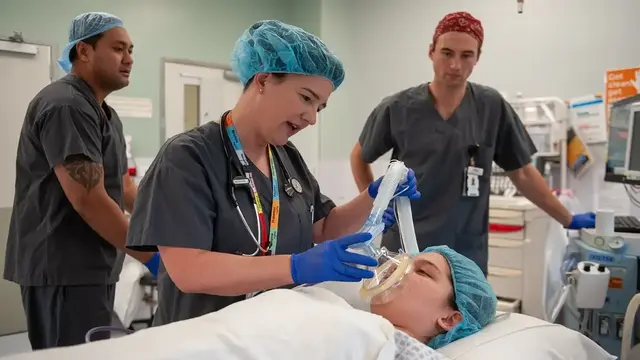
There are several types of anaesthesia that may be used individually or in combination, depending on the operation.

Anaesthetists are specialist doctors with unique clinical knowledge and skills. They have a major role in the perioperative care of surgical patients.
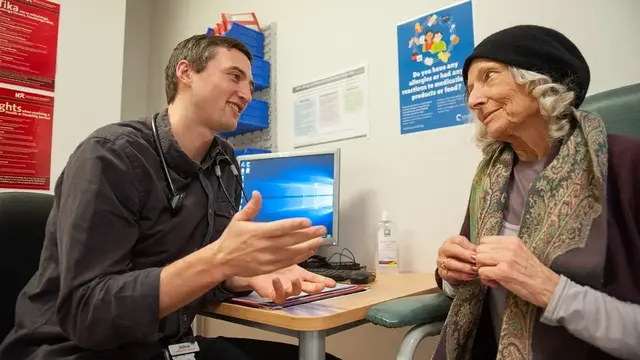
Having surgery under anaesthesia can be a bit daunting, especially if it’s your first time. But there are a few simple things you can do to get yourself better prepared for your surgery.
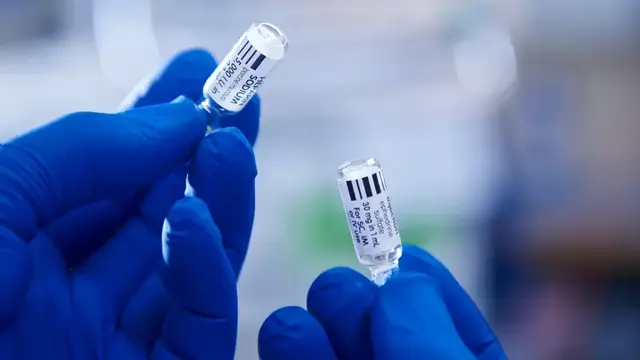
There are several types of anaesthesia that may be used individually or in combination, depending on the surgery.
You might not need the care of an anaesthetist when you’re carrying and delivering your baby, but it’s good to know what your options are.

Children of all ages, including newborn babies, may require anaesthesia. We'll take various concerns into account to determine what skills and experience medical staff will require to ensure your child has the best outcomes possible.

Endoscopy procedures, which include gastroscopy and colonoscopy, are frequently performed as day-stay cases.

Most adult heart surgery in Australia and New Zealand is performed for coronary artery disease and heart valve disease.

Joint replacement surgery is a common and effective procedure for relieving disability due to severe joint pain and loss of function.

This information has been developed by accredited specialist anaesthetists to help anyone who is considering cosmetic surgery in Australia or New Zealand. It will help you to understand the risks associated with anaesthesia, and the key questions you should ask before having a cosmetic procedure.
Eye surgery can be performed under eye block, topical anaesthesia or general anaesthesia.

Smokers are at increased risk of respiratory, cardiac and wound-related complications following surgery.

Information on anaesthesia monitoring and other common medical procedures for patients who have undergone axillary surgery, including sentinel lymph node biopsy, targeted axillary dissection, and axillary clearance.
Last modified: