


Professor Alicia Dennis, The Royal Women’s’ Hospital, Melbourne
First demonstration that myocardial oedema is a component of increased left ventricular mass in preeclampsia
Supported by an ANZCA Project Grant, this was the first study to analyse the heart muscle in patients with preeclampsia; the first to use cardiac magnetic resonance (CMR) to determine their myocardial structure; and the first to demonstrate that myocardial oedema is a component of increased left ventricular mass in these women.

Dr Chris Bain, The Alfred, Melbourne
Confirmation that pre-existing DNA changes influence post-operative inflammation, and that DNA patterns of DNA methylation changes occur after surgery
The ‘RELIEF Genomics’ study, the first multi-omic analysis of its type, provided new insights into why some patients experience postoperative systemic inflammatory dysregulation (PSID) and related complications.

Professor Paul Rolan, University of Adelaide
First study to find small RNAs in the cerebrospinal fluid that are linked to pain
A study team has found molecules that were only present in the CSF of people with ongoing pain. The investigators are using the information to develop a kit to make it easier to track pain progression in patients who suffer ongoing pain.

Professor Jennifer Weller, University of Auckland
A new understanding of responses to being spoken up to in the operating theatre, and a new grounded theory model-based critical reflection questionnaire
A new critical reflection questionnaire developed from this study is part of a workshop being incorporated into New Zealand’s ‘NetworkZ’ national, multidisciplinary, simulation-based, team training intervention instructor training course, reflecting a pathway from research to translation and implementation into clinical environments.
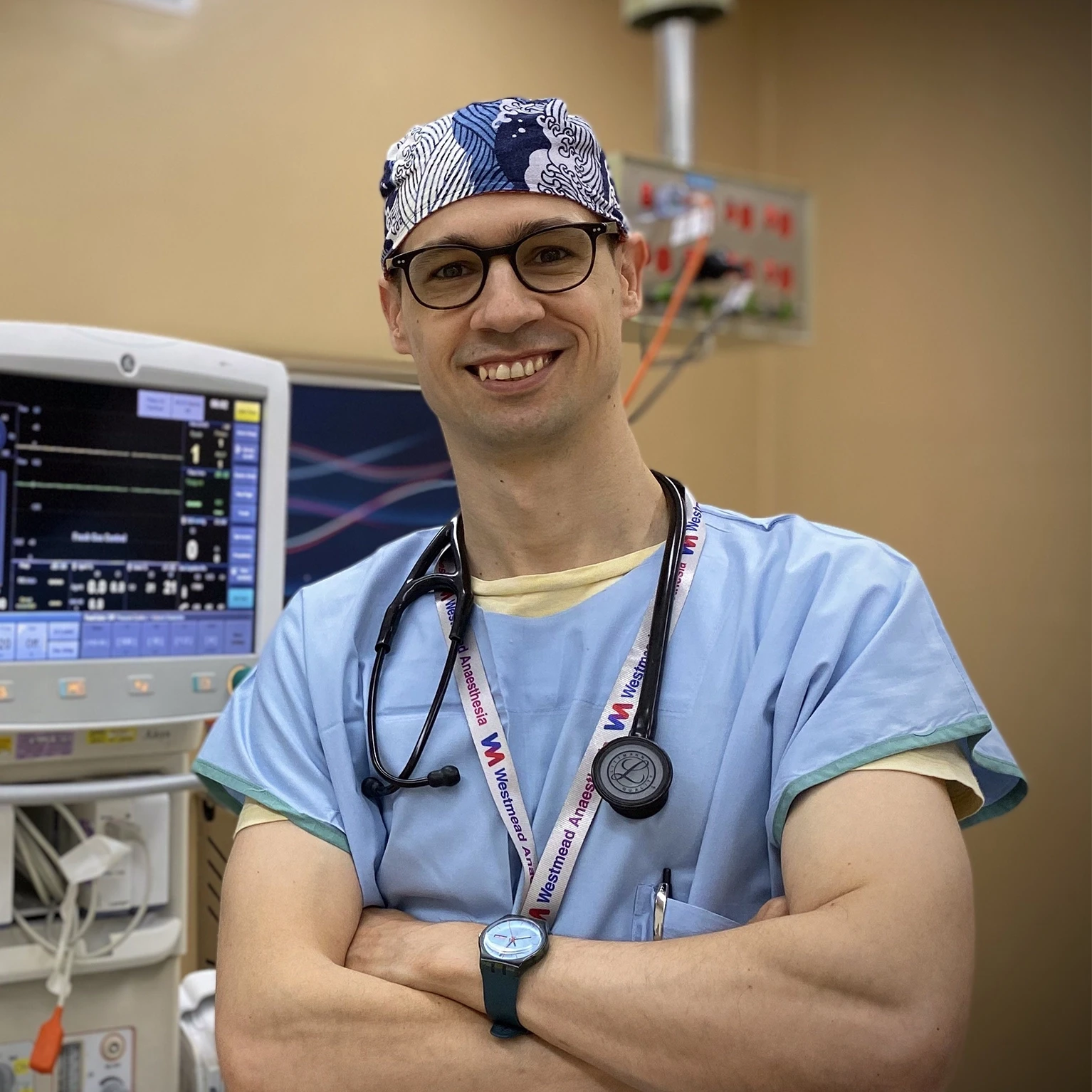
Dr Brenton Sanderson, Westmead Hospital and Macquarie University, Sydney
Lack of international consensus on quality care measures for MT identified; variation found to limit potential to guide decisions, majority of anaesthetists in survey supported using a CDSS for MT
The study team’s systematic review revealed significant potential to better support anaesthetists’ decision-making in high-pressure massive transfusion (MT) situations, through identifying quality indicators and processes, and development of a new clinical decision support system (CDSS) ‘MTP Assistant’, which improved decision efficiency and reduced cognitive load in a randomised simulation trial.
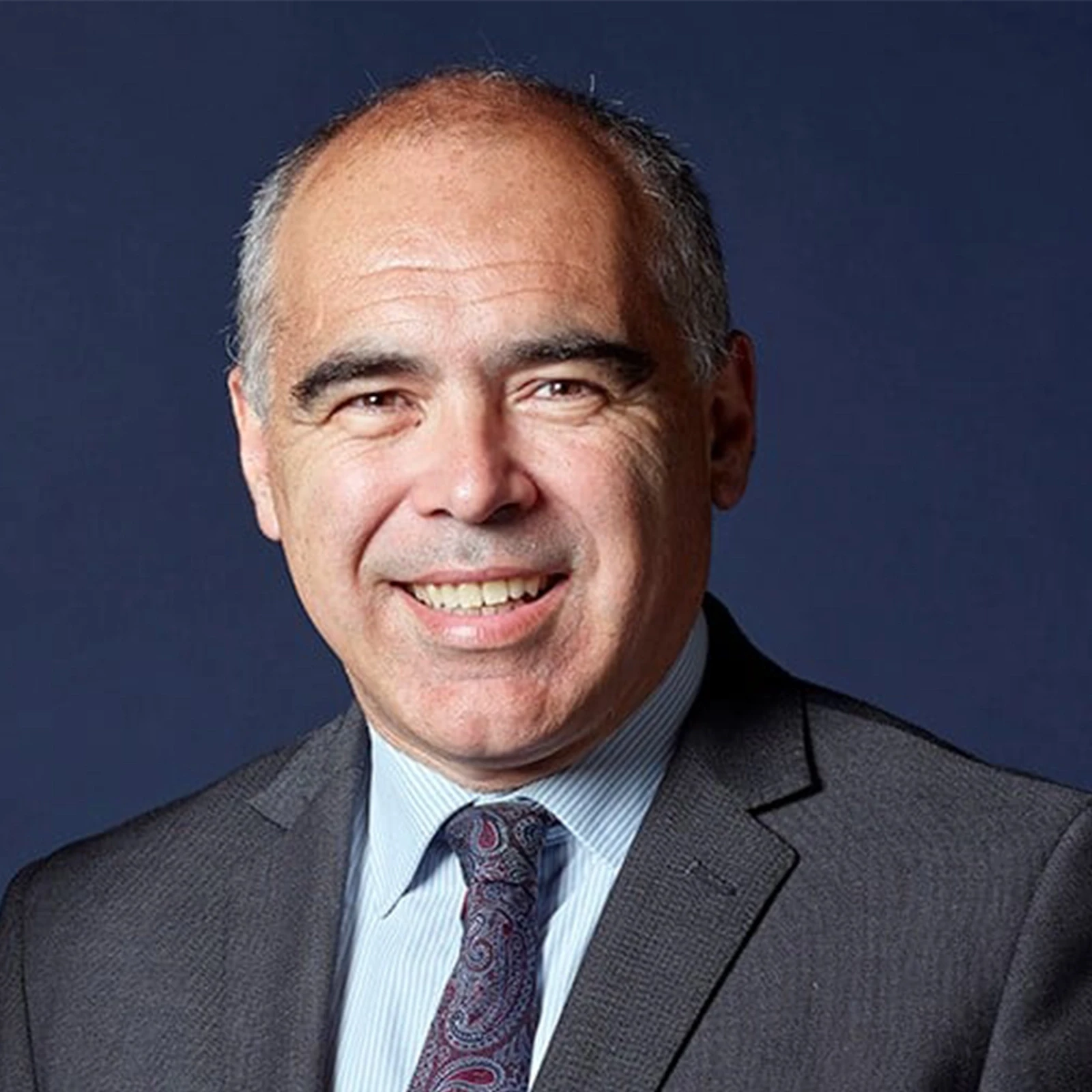
Associate Professor Marc Russo, Hunter Pain Specialists, Sydney
World first techniques lead to discovery in chronic regional pain syndrome (CRPS)
This study found for the first time that Langerhans and CXCR3+ lymphocyte immune cells were closer to nerves in the affected skin of CRPS patients, which may contribute to persistent pain. It included two technical world-firsts: the first ever ultra-high resolution functional MRI study in CRPS, and the first high-parameter assessment of neuroimmune interactions in CRPS affected tissues.
Last modified: