

Overview
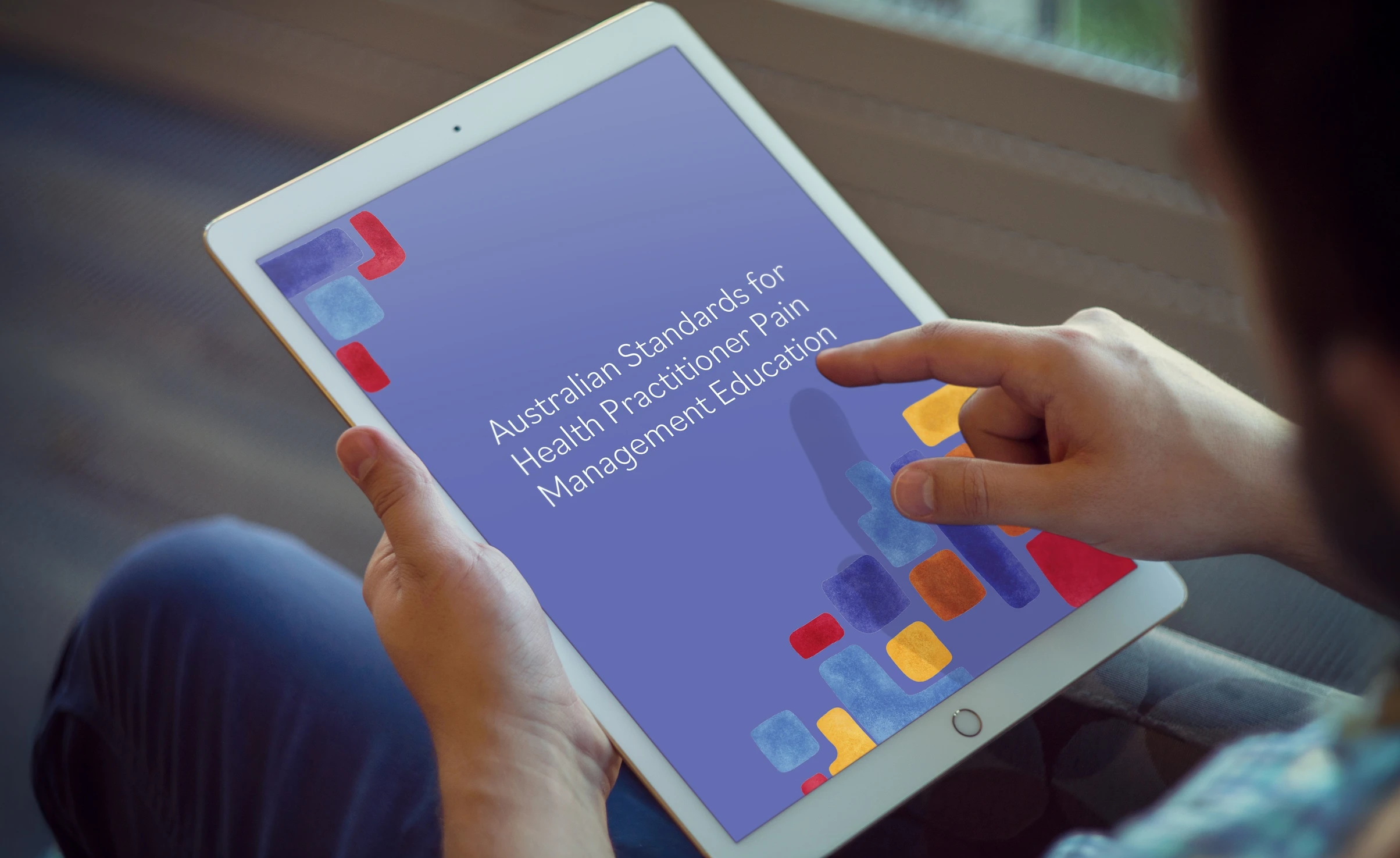
The Australian Standards for Health Practitioner Pain Management Education, funded by the Australian Government and endorsed through a national consultative process, define the level of quality that can be expected for pain management education and training in Australia. They provide clear guidance for the development and delivery of education initiatives across all health disciplines and levels. Comprehensive implementation of these standards will help ensure that pain education and training are of the highest quality, substantially addressing long-identified gaps in practitioners’ knowledge and skills. While adoption of the standards is voluntary, it is anticipated that health practitioners, educators, organisations, and regulatory authorities will actively use them to inform the design, delivery, evaluation, and continuous improvement of pain management education and training nationwide.
Any questions? Contact us.
Why are the standards important?
Around one in five Australians live with chronic pain, and this number is expected to grow in the coming years. Chronic pain is a major health issue that affects people, families and communities, bringing significant personal, social and economic impacts.
The best care for people living with pain involves a team of health professionals working together and considering all aspects of a person’s health and wellbeing. Despite this need, education about pain management is often limited for health practitioners in Australia and around the world. The amount and quality of pain education varies depending on the discipline, location and stage of training, which can lead to inconsistent knowledge and skills across the health workforce.
Who are the standards for?
The standards apply across all health disciplines and levels of training, supporting a wide range of practitioners involved in caring for people with acute or chronic pain. This includes both registered professionals regulated by Ahpra and self-regulated health workers, such as Aboriginal and Torres Strait Islander health practitioners, exercise physiologists, nursing assistants, disability and aged care workers.
The target audience for the standards is:
- Educational organisations, health institutions and others who are involved in the design, development and delivery of pain management education and training.
- Regulatory bodies, organisations and individuals who undertake roles ensuring the quality of health-related education and training initiatives.
- Individual health practitioners and health educators.
- Individuals who experience pain, their significant and/or relevant others and consumer advocacy groups.
Examples of the above include but are not limited to professional colleges, tertiary training organisations and government departments.
These national standards mark a turning point in pain education. As the first of their kind in Australia and internationally, they provide clear guidance to educators, practitioners and institutions to deliver more consistent, evidence-based and person-centred care for people living with pain.

Scope
The Australian Standards for Health Practitioner Pain Management Education are relevant to the education and training of all Australian health practitioners.
The application of the standards will be determined by the context in which pain management education and training is delivered.
When applying the standards the following should be considered:
- The scope of practice of the health practitioners for whom pain management education and training is being delivered (for example health discipline, level of educator, level of experience).
- The scope and goals of the intended pain management education and training (for example whether the training is embedded in curricula or a stand-alone activity).
- The environmental context in which the intended learners are working, if known (for example primary or tertiary health settings, education).
- The characteristics of the cohort of individuals experiencing pain with whom the intended learners are working, if known (for example an adult versus paediatric population).
The six areas defined within the standards are broadly applicable to all health practitioners, contexts and settings to which pain management education and training applies. However, the applicability of specific standards within each area should be considered within the context of the above variations.
Explore the standards

Education and training on pain management for health practitioners promotes a person-centred approach to care.

Education and training on pain management for health practitioners is developed and delivered in alignment with best practice approaches to learning and teaching.

The content of education and training on pain management for health practitioners is evidence-based.

Education and training on pain management actively engages learners in reflective practice and self-awareness.

Education and training on pain management develops a health practitioner’s understanding of, and effective skills in, communicating with people experiencing pain.

Education and training on pain management for health practitioners embeds a collaborative approach to pain management.
Watch and learn
.webp?language=en)




.webp?language=en)


Proudly endorsed by the Council of Presidents of Medical Colleges (CPMC)
About CPMCKey documents
Other pages you might be interested in

Learn more about how the Australian Standards for Health Practitioner Pain Management Education were developed and the collaborative process behind them.

Explore our resources to see how the standards help ensure every Australian health practitioner is equipped to deliver high-quality pain care for everyone in our community.

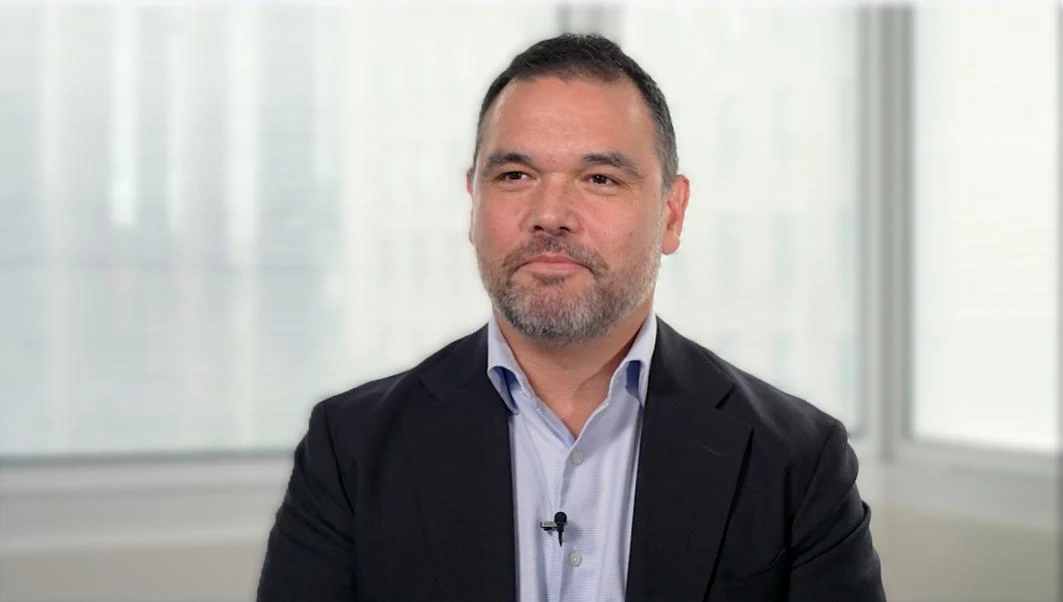
Health practitioners and educators share how they plan to use the Australian Standards for Health Practitioner Pain Management Education in their teaching and practice. Their insights highlight how the standards can guide consistent, person-centred and evidence-based approaches to pain care.